


Drugs Found in a Car in New Jersey: Can Everyone Be Charged?
July 31, 2026
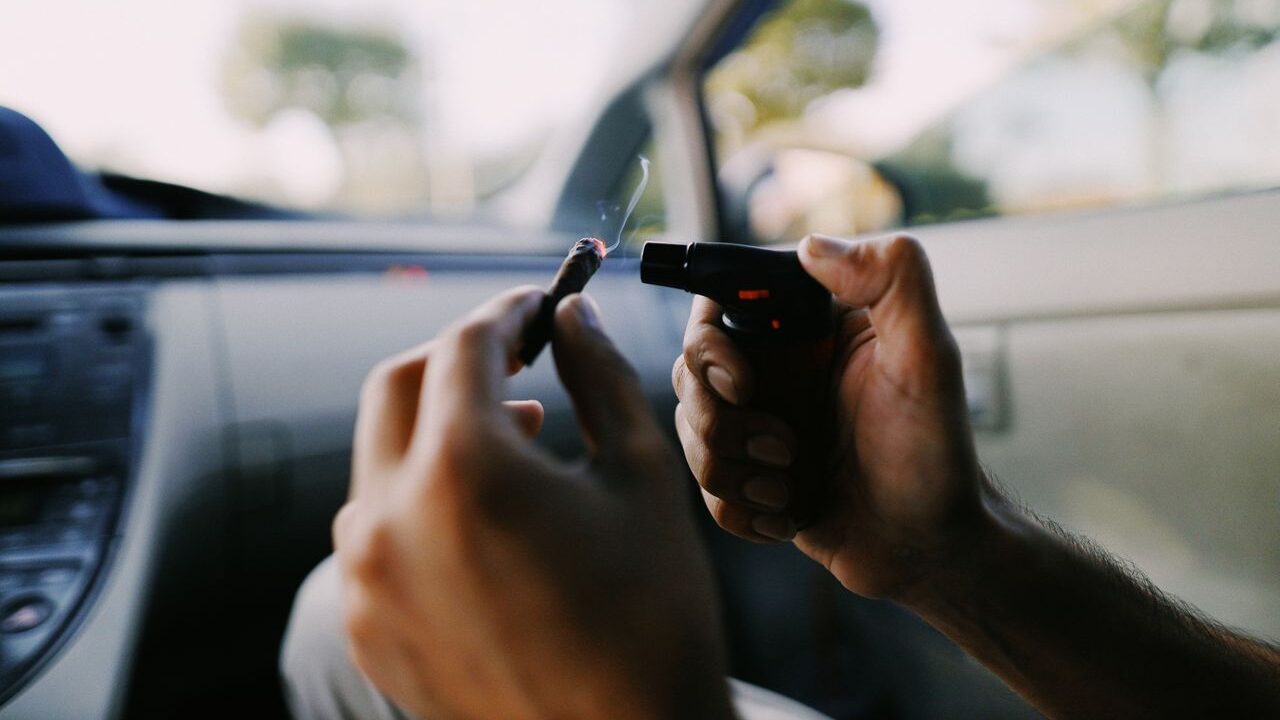
If police find suspected drugs in a car with several people inside, one concern often comes first: “The drugs were in the car, but they weren’t mine.”
If nothing was found in your pocket, bag, or other belongings, you may be wondering why you are facing a possession charge at all. Can you still be charged? What if the drugs belonged to a passenger? What if you were simply sitting near where they were found?
In New Jersey, being present in a vehicle where drugs are discovered does not, by itself, establish possession. But drugs also do not have to be physically found on you for the State to allege that you possessed them. Where the drugs were located, whether you knew they were there, who could access them, and other evidence from the stop can all become important.
That is why, when drugs are found in a car with several people inside, the case often turns on more than who was closest to them. Understanding what New Jersey means by possession can help explain why a driver, passenger, or more than one occupant may face a charge.
What Does Drug Possession Mean in New Jersey?
Under N.J.S.A. 2C:35-10, it is unlawful to knowingly or purposely obtain or possess, actually or constructively, a controlled dangerous substance (CDS) or controlled-substance analog unless the possession is authorized by law.
New Jersey recognizes different forms of possession.
- Actual possession means knowingly having the item on you while knowing what it is, such as drugs found in your pocket.
- Constructive possession is different. The drugs do not have to be physically on you. Constructive possession involves knowing that the item is present, knowing what it is, and having both the ability and intention to exercise control over it.
That distinction becomes especially important when drugs are found in a vehicle with several occupants.
Does Being Near Drugs Prove You Possessed Them?
No. Proximity alone does not automatically establish possession.
New Jersey’s model criminal jury instructions make clear that simply being at or near a place where contraband is found is not, without more, enough to prove constructive possession beyond a reasonable doubt. There must be additional evidence tying the person to the drugs.
Imagine four people riding in a car when police find suspected cocaine underneath the front passenger seat. The fact that all four occupants were inside the vehicle does not, standing alone, establish that all four knowingly possessed the cocaine.
The location still matters. Drugs lying openly beside a passenger present a different factual question from drugs sealed inside another occupant’s backpack or hidden in an area that was not readily accessible to that person. For a conviction based on constructive possession, the State must prove more than the person’s presence in the vehicle.
What Evidence Can Connect a Driver or Passenger to Drugs in a Car?
When drugs are found in a vehicle with several occupants, police and prosecutors can look at more than where each person was sitting. Relevant questions include:
- Where exactly were the drugs located?
- Were they openly visible or concealed?
- Who had access to that part of the vehicle?
- Were the drugs found inside or next to a particular occupant’s bag, clothing, phone, wallet, or other personal belongings?
- Did an occupant make statements about the drugs?
- Were additional suspected drugs or drug paraphernalia found on a particular occupant or among that person’s belongings?
- What did police observe before and during the stop?
- Were there messages, photographs, packaging, or other evidence connecting a particular occupant to the drugs or the container in which they were found?
No single one of these facts necessarily decides the issue by itself. The important point is that the analysis does not stop with, “You were in the car.”
What If the Car Is Yours but the Drugs Are Not?
Owning or driving the vehicle can be relevant, but it does not automatically establish knowing possession of everything inside it.
Consider drugs zipped inside a passenger’s backpack, tucked underneath that passenger’s clothing, or hidden in an area of the vehicle the driver could not readily access.
Ownership or control of the vehicle is evidence that can be considered, but it does not eliminate the State’s obligation to prove knowing possession beyond a reasonable doubt.
For example, evidence showing that another person had recently been using the vehicle, that a passenger had just entered carrying the container where the drugs were found, or that the drugs were concealed from the driver can bear directly on whether the driver knew the drugs were present and intended to control them.
Can More Than One Person Possess the Same Drugs?
Yes.
New Jersey recognizes joint possession. If two or more people knowingly share actual or constructive possession of an item, more than one person can legally possess it at the same time.
That means more than one occupant can face possession charges if the evidence supports an allegation that each person knowingly possessed the drugs. But filing a charge and proving possession are not the same thing.
To obtain a conviction for unlawful CDS possession, the State must prove the required elements beyond a reasonable doubt, including knowing or purposeful possession. The fact that no one at the scene admits ownership does not by itself prove that every occupant possessed the drugs.
Was the Vehicle Search Lawful?
Who possessed the drugs is not always the only issue in a vehicle drug case. There can also be questions about how police discovered the drugs in the first place.
At Aydelotte Law, LLC, we can review these issues as part of our criminal defense representation, including why police stopped the vehicle, what officers observed before and after the stop, whether anyone consented to a search, whether officers had a warrant, and what legal basis police relied on to search without one. These circumstances can matter because New Jersey places specific limits on warrantless vehicle searches.
That means a drug case should not be evaluated only by asking, “Whose drugs were they?” If police obtained the drugs through an unlawful search, we can evaluate whether there is a basis to ask the court to suppress that evidence.
What Should You Do If You Are Charged After Drugs Are Found in a Shared Vehicle?
If you are facing a drug possession charge after police found drugs in a car with several people, do not assume that the charge itself proves you possessed them.
Details that seemed unimportant during the stop can later matter: where each person was sitting, where the drugs were located, who owned the bag or container in which they were found, what each occupant said, whether the drugs were visible, and what the officers recorded on body-worn or patrol-car video.
It is also important not to coordinate explanations with the other occupants or try to persuade someone to change their account of what happened.
Preserve any relevant messages, photos of the vehicle or belongings, receipts, location information, or other records that show who was using the vehicle, who owned particular belongings, or what happened before the stop. Discuss the circumstances privately with your attorney rather than trying to resolve the issue directly with the other occupants.
Charged After Drugs Were Found in a Car? Talk to Aydelotte Law
Being charged with possessing drugs that you believe belonged to someone else can leave you frustrated and unsure of what happens next. A charge, however, is not the same as proof that you knowingly possessed the substance.
At Aydelotte Law, LLC, we review the evidence behind a drug possession charge, including where the suspected drugs were found, who could access them, what each person reportedly said, what police observed, and whether the stop and search complied with New Jersey law.
If you were charged after drugs were found in a vehicle in Camden County, Burlington County, Gloucester County, or elsewhere in South Jersey, contact Aydelotte Law, LLC to discuss what happened, understand the charge, and learn what options are available in your case.
Disclaimer: Results may vary depending on your particular facts and legal circumstances. The articles on this blog are for informational purposes only and are no substitute for legal advice or an attorney-client relationship. If you are seeking legal advice, please contact our law firm directly.